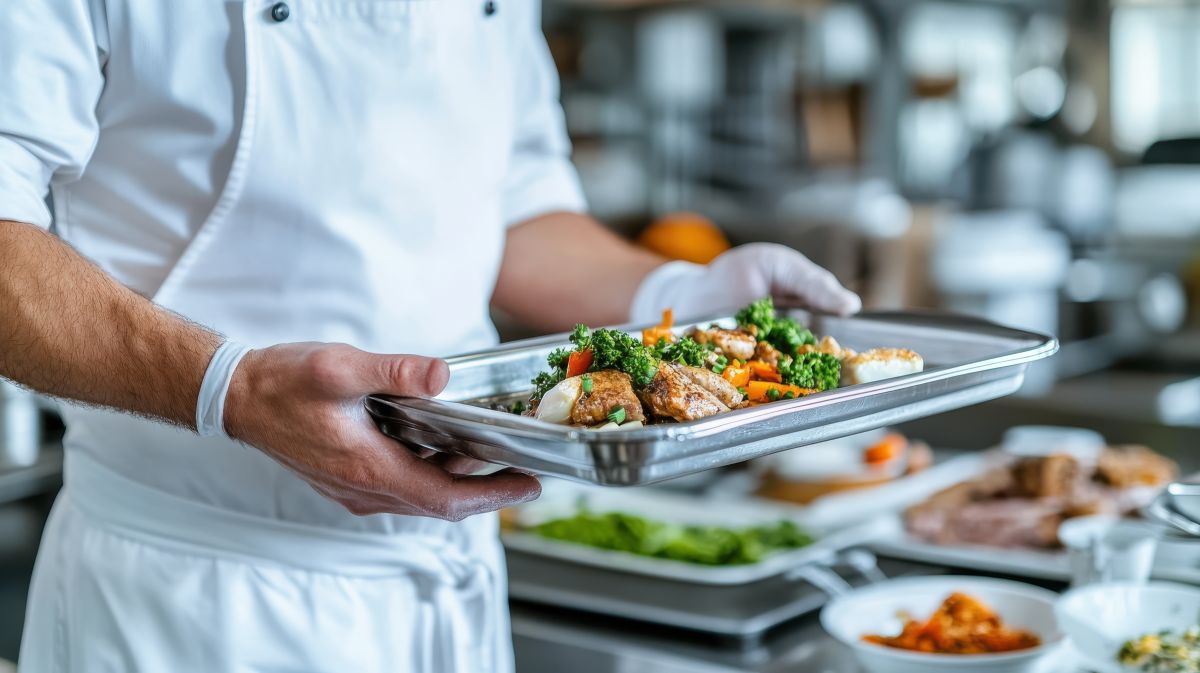
The Gilkey Restaurant Consulting Group has worked with chef-driven concepts across major culinary markets, and Chicago remains one of the most competitive—and rewarding—cities to build a restaurant brand. Known for its deep culinary heritage, diverse neighborhoods, and discerning diners, Chicago demands more than just great food. For chef-led concepts, success hinges on translating culinary vision into a cohesive brand that resonates across every touchpoint—from the menu to marketing to guest experience. In today’s environment, chef branding in Chicago is not just about reputation; it is about alignment. When your culinary identity, storytelling, and operations work together, you create a concept that stands out, scales effectively, and builds long-term loyalty. This guide explores how to strategically and creatively align your menu with your brand to position your concept for success.
Defining Culinary Identity: The Foundation of Chef Branding
Every successful chef-led concept begins with a clear culinary identity. This goes beyond cuisine type—it is about defining what you stand for as a chef and how that translates into a dining experience.
Key elements of a strong culinary identity include:
- Philosophy: What drives your cooking? (seasonality, heritage, innovation)
- Point of view: What makes your approach unique in Chicago’s crowded market?
- Consistency: Can your concept be clearly understood by guests after one visit?
According to the James Beard Foundation, “a strong culinary voice is essential for chefs to differentiate themselves in competitive markets,” and Chicago is a prime example of this reality.
From experience, one of the most common challenges chefs face is trying to do too much. A menu that lacks focus can dilute the brand and confuse guests. The most successful concepts are those that communicate a clear, confident identity—whether that is modern Midwestern cuisine, elevated comfort food, or globally inspired small plates.
Your culinary identity should serve as the foundation for every decision that follows, from menu design to marketing strategy. Many operators benefit from specialized restaurant consulting in Chicago to refine and position their culinary vision within the city's competitive landscape.
Menu Design as Brand Expression
Your menu is not just a list of dishes—it is your most powerful branding tool. Every item, description, and layout choice communicates something about your concept.
An effective menu should:
- Reflect your core identity and philosophy
- Balance creativity with operational efficiency
- Guide guests toward signature and high-margin items
- Maintain consistency across seasons while allowing for evolution
According to Deloitte’s hospitality insights, “menu design plays a critical role in shaping customer perception and influencing purchasing decisions.”
In Chicago, where diners are both adventurous and informed, menu storytelling is especially important. Descriptions should feel intentional and aligned with your brand voice. For example, a chef-driven concept focused on local sourcing might highlight farms and seasonal ingredients, reinforcing authenticity.
From consulting experience, the most effective menus often follow a strategic structure:
- Signature dishes: Anchor your brand and create recognition
- Seasonal features: Showcase creativity and adaptability
- Core staples: Provide consistency and operational stability
This balance ensures that your menu remains both compelling and executable. Strategic menu development helps chefs design offerings that reinforce brand identity while maintaining operational efficiency.
Translating Chef Identity into Visual Branding
A strong culinary identity must extend beyond the plate. Visual branding—interior design, logo, typography, and even plating style—should reinforce the same story.
Key visual elements include:
- Restaurant design: Does the space reflect your culinary philosophy?
- Brand assets: Logo, menus, and signage should feel cohesive
- Plating and presentation: Visual consistency across dishes
- Digital presence: Website and social media aesthetics
According to McKinsey & Company, “consistent branding across all customer touchpoints strengthens recognition and trust,” which is critical in a competitive market like Chicago.
For example, a chef-led concept focused on refined, minimalist cuisine should avoid overly cluttered or casual branding. Every detail—from lighting to plateware—should align with the intended experience.
From experience, guests notice these details more than operators often realize. Consistency builds credibility, while inconsistency creates confusion. Professional brand development can help ensure visual identity aligns seamlessly with culinary vision.
Marketing Strategy: Telling Your Story Beyond the Kitchen
In Chicago, where new restaurants are constantly emerging, marketing is essential for visibility and growth. However, effective marketing for chef-led concepts is not about volume—it is about storytelling.
A strong marketing strategy should:
- Communicate your unique culinary identity
- Highlight the chef’s background and perspective
- Showcase signature dishes and seasonal changes
- Engage with the local community and media
According to the National Restaurant Association, “story-driven marketing helps restaurants build emotional connections with guests,” which is particularly important for chef-driven brands.
Social media plays a central role in this process. Platforms like Instagram allow chefs to share behind-the-scenes content, highlight ingredients, and build anticipation for new dishes.
From experience, the most successful Chicago concepts treat marketing as an extension of the kitchen. The same attention to detail applied to food should be applied to content and communication.
Aligning Operations with Brand Promise
Branding is not just what you say—it is what you deliver. Operational consistency is essential for maintaining the integrity of your brand.
Key operational considerations include:
- Staff training: Ensuring team members understand and represent the brand
- Service style: Aligning guest interaction with brand tone
- Quality control: Maintaining consistency across every dish
- Workflow efficiency: Supporting the execution of your menu
According to PwC, “customer experience is directly influenced by operational execution,” making alignment between brand and operations critical.
From consulting experience, one of the biggest risks for chef-led concepts is overextending creatively without building the systems to support it. A complex menu that cannot be executed consistently can undermine the entire brand. Structured operations consulting helps restaurants build systems that support both creativity and consistency.
Scaling a Chef-Led Brand in Chicago
For chefs looking to expand beyond a single location, scalability must be considered early. A strong brand should be able to grow without losing its identity.
Strategies for scaling include:
- Standardizing recipes and processes
- Building a strong management team
- Maintaining brand consistency across locations
- Adapting concepts to different neighborhoods while preserving core identity
According to the International Franchise Association, “brands that scale successfully maintain a clear and consistent identity across all units.”
In Chicago, where neighborhoods have distinct personalities, this balance is especially important. Expansion should feel intentional, not diluted. Many chef-led brands also develop structured restaurant business plans to support sustainable growth and expansion strategies.
Action Steps for Building a Chef-Led Brand
For chefs and operators ready to align their menu and marketing, the following steps can provide a clear path forward:
- Define your culinary identity and point of view
- Design a menu that reflects and reinforces that identity
- Align visual branding with your concept
- Develop a storytelling-driven marketing strategy
- Build operational systems that support consistency
- Plan for scalability from the beginning
These steps create a cohesive framework that supports both creativity and business success.
Frequently Asked Questions About Chef Branding in Chicago
1. How important is branding for a chef-led restaurant?
It is essential—branding differentiates your concept and builds recognition.
2. Should the chef’s personality be part of the brand?
Yes, but it should be authentic and aligned with the concept.
3. How often should menus change?
Seasonal updates are common, but core identity should remain consistent.
4. What role does social media play?
A significant one—it helps build awareness and engage with guests.
5. Can a chef-led concept scale successfully?
Yes, with strong systems and a clear brand identity.
Building a successful chef-led concept in Chicago requires more than culinary talent—it requires strategic alignment between your menu, brand, and operations. When every element works together, you create a concept that not only attracts attention but sustains it over time. The Gilkey Restaurant Consulting Group provides expert restaurant brand consulting, operational insight, and strategic guidance to help chefs turn their vision into a cohesive, scalable brand. Whether you are launching your first concept or refining an existing one, aligning your identity from menu to marketing is the key to long-term success.