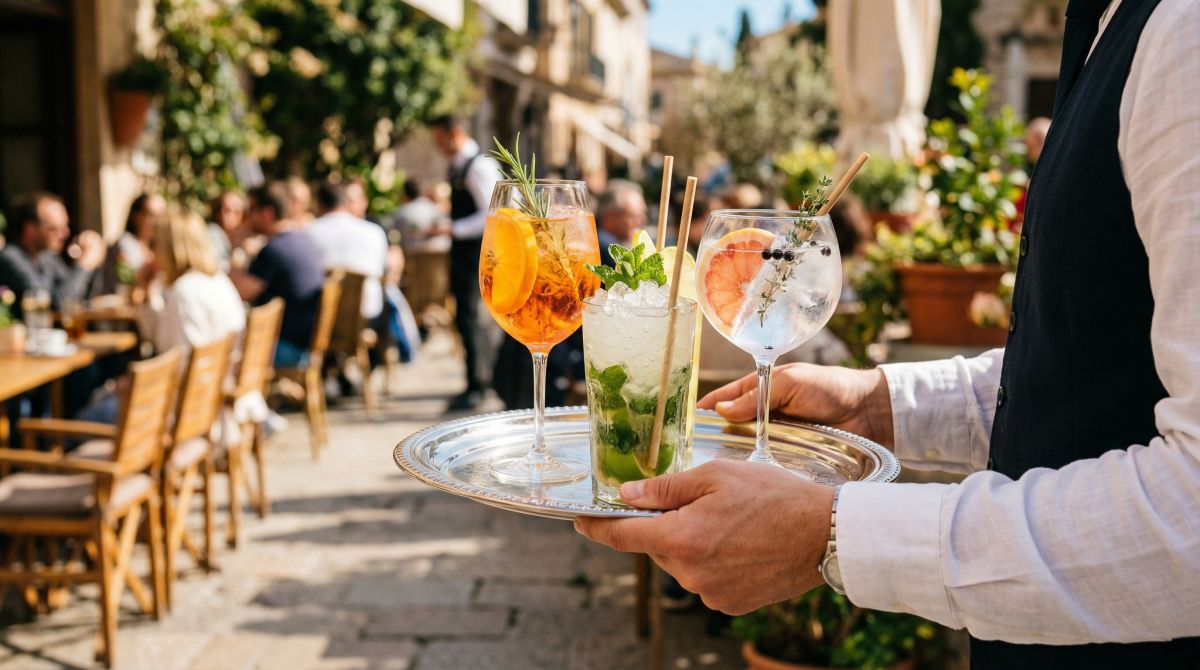
For restaurants and hospitality operators, summer presents a major opportunity to improve profitability through strategic menu planning. Warmer weather, increased tourism, patio dining demand, and changing consumer preferences all influence how guests order food and beverages during the summer months. While many restaurants focus heavily on traffic volume during peak season, some of the strongest profit gains often come from menu optimization rather than guest count alone. A well-designed seasonal restaurant menu can increase check averages, improve operational efficiency, reduce food waste, strengthen brand perception, and create stronger guest engagement throughout the busiest months of the year. The Gilkey Restaurant Consulting Group works with restaurants, bars, hospitality groups, and foodservice operators to improve menu profitability, operational performance, and guest experience through strategic planning and menu engineering for profitability. Whether managing a full-service restaurant, upscale dining concept, brewery, patio bar, hotel restaurant, or multi-unit hospitality operation, understanding how seasonal summer menus affect profitability can help operators maximize margins while creating stronger customer experiences during peak dining season.
Why Summer Changes Restaurant Buying Behavior
Restaurant guest behavior shifts significantly during the summer months. Warmer weather, vacation travel, outdoor dining, and social events often influence guests to order differently than they do during colder seasons. Consumers frequently gravitate toward lighter dishes, fresh ingredients, seasonal beverages, and shareable dining experiences that feel aligned with summer lifestyles.
Several summer dining trends commonly influence purchasing behavior:
- Increased patio dining
- Higher beverage consumption
- More group dining occasions
- Greater interest in fresh seasonal ingredients
- Increased demand for limited-time offerings
Guests are often more willing to try new menu items during summer, particularly when restaurants create urgency around seasonal availability. Limited-time menu offerings naturally encourage trial behavior because customers know certain dishes or drinks may only be available for a short period.
According to the National Restaurant Association, seasonal menu innovation remains one of the strongest drivers of customer engagement and repeat traffic within the hospitality industry.
Restaurants that adapt menus seasonally often improve:
- Average guest spend
- Beverage attachment rates
- Social media engagement
- Repeat customer traffic
- Brand differentiation
Seasonal menu changes also help restaurants remain visually and operationally fresh. Guests who see the same menu repeatedly may become less engaged over time, while updated seasonal offerings create new reasons to visit.
The Gilkey Restaurant Consulting Group frequently works with restaurants to align menu strategy with seasonal customer behavior, operational capacity, and profitability goals rather than relying solely on permanent menu structures year-round.
Seasonal Menus Help Increase Check Averages
One of the biggest financial advantages of seasonal restaurant menus is their ability to increase average guest spend. Guests are often more likely to purchase additional items when menus feature limited-time dishes, specialty beverages, and curated seasonal experiences.
Seasonal summer menus often create strong upselling opportunities through:
- Specialty cocktails
- Fresh seafood features
- Seasonal appetizers
- Limited-time desserts
- Pairing recommendations
Restaurants that market seasonal menu items effectively may also improve perceived value, allowing operators to support stronger pricing on unique or premium offerings.
Several menu strategies commonly increase summer check averages:
- Seasonal prix fixe menus
- Shareable appetizer features
- Cocktail and food pairings
- Chef-inspired limited-time specials
- Patio-focused beverage promotions
Guests dining outdoors during summer often spend more time socializing, which may naturally increase beverage sales and appetizer orders. Restaurants that design menus around social dining behavior frequently see stronger profitability during summer months.
Seasonal beverages remain especially important because alcohol sales often generate some of the highest margins within restaurant operations. Summer menus may support profitable beverage categories such as:
- Frozen cocktails
- Sangrias
- Local craft beer
- Seasonal mocktails
- Specialty wine selections
According to Toast Hospitality Industry Reports, restaurants that actively engineer menus around profitability metrics often outperform competitors on average check growth and margin performance.
Restaurants should also evaluate whether seasonal menu items complement operational efficiency. Highly profitable dishes lose financial value if they create kitchen bottlenecks, excessive prep complexity, or inconsistent execution during busy service periods.
The Gilkey Restaurant Consulting Group helps operators evaluate menu mix performance, pricing strategy, and seasonal menu engineering opportunities designed to improve profitability without sacrificing guest experience quality.
Menu Engineering for Profitability Reduces Waste and Improves Efficiency
Seasonal menus are not only valuable for guest engagement — they may also significantly improve operational efficiency and inventory management. Restaurants carrying large permanent menus often struggle with excessive inventory complexity, food spoilage, inconsistent purchasing, and prep inefficiencies that quietly reduce margins over time.
Menu engineering for profitability helps operators identify:
- High-margin menu items
- Low-performing dishes
- Excess inventory categories
- Waste-producing ingredients
- Prep-intensive menu sections
Seasonal summer menus allow restaurants to simplify purchasing around high-demand ingredients that are more readily available during warmer months.
Several operational benefits often result from seasonal menu optimization:
- Reduced ingredient waste
- Better inventory turnover
- Simpler kitchen execution
- Improved prep efficiency
- More consistent food quality
Summer produce availability may also improve ingredient quality while reducing food costs on certain menu categories. Fresh seasonal ingredients often create stronger visual presentation and guest appeal without requiring complicated preparation methods.
Restaurants that rotate seasonal offerings strategically may reduce:
- Overstocking
- Spoilage losses
- Menu fatigue
- Excess prep labor
- Vendor inconsistency
Menu simplification becomes especially important during busy summer periods when kitchens are managing higher ticket volume, outdoor dining demand, and increased staffing pressure.
According to Restaurant Business Online, restaurants with optimized menu structures often improve operational consistency while reducing unnecessary kitchen complexity.
Seasonal menu planning also creates opportunities to test new dishes before making permanent menu changes. Restaurants can evaluate guest response, profitability performance, and operational feasibility on a smaller scale before committing to long-term menu expansion.
The Gilkey Restaurant Consulting Group frequently works with hospitality operators to balance culinary creativity with operational efficiency and long-term profitability strategy.
Seasonal Menus Improve Guest Engagement and Marketing Performance
One reason seasonal restaurant menus perform so well financially is that they create stronger customer engagement. Guests naturally respond to novelty, urgency, and seasonal experiences that feel timely and limited in availability.
Seasonal menus create built-in marketing opportunities involving:
- Social media campaigns
- Limited-time promotions
- Seasonal events
- Influencer partnerships
- Email marketing engagement
Restaurants that introduce summer-specific dishes or beverages often generate stronger online interaction because guests are more likely to share visually appealing seasonal experiences digitally.
Several seasonal menu concepts commonly perform well during summer:
- Patio-focused small plates
- Fresh seafood features
- Grilled seasonal entrées
- Farm-to-table ingredient highlights
- Summer cocktail menus
Restaurants should also align seasonal branding with overall guest experience. Outdoor seating, beverage presentation, seasonal décor, and menu photography all influence how guests perceive the brand during summer dining periods.
According to SevenRooms hospitality research, restaurants that consistently refresh offerings often maintain stronger guest retention and repeat visitation patterns.
Limited-time seasonal menus may also create urgency that drives faster guest decision-making and repeat traffic before menu items disappear.
Restaurants that effectively market seasonal menus often benefit from:
- Increased reservation demand
- Stronger repeat customer visits
- Higher social media visibility
- Improved guest loyalty
- Better brand differentiation
The Gilkey Restaurant Consulting Group helps restaurants and hospitality businesses develop seasonal menu strategies aligned with profitability, operational performance, guest engagement, and long-term brand positioning.
Strategic Seasonal Planning Supports Long-Term Profitability
Successful seasonal menu planning requires more than simply adding summer-themed dishes to an existing menu. Restaurants should evaluate whether seasonal offerings support broader operational and financial goals involving labor management, purchasing, guest flow, and kitchen execution.
Effective summer menu planning should consider:
- Ingredient availability
- Operational simplicity
- Staff training requirements
- Beverage pairing opportunities
- Seasonal pricing strategy
Restaurants should avoid introducing seasonal items that create excessive complexity or rely on inconsistent supply chains during high-volume operational periods.
Mid-year menu evaluations also provide opportunities to identify:
- Underperforming menu categories
- Pricing adjustment opportunities
- Guest preference trends
- Operational bottlenecks
- Future menu innovation ideas
The most profitable restaurants approach seasonal menus strategically rather than treating them as temporary marketing promotions alone.
The Gilkey Restaurant Consulting Group works with restaurants, bars, and hospitality operators to improve menu engineering for profitability, strengthen operational systems, and create seasonal restaurant menu strategies designed to support stronger margins and long-term business performance.
Frequently Asked Questions
Why do seasonal menus improve restaurant profitability?
Seasonal menus may increase check averages, improve inventory efficiency, reduce waste, and create stronger guest engagement during high-demand periods.
What is menu engineering for profitability?
Menu engineering analyzes menu performance, pricing, food costs, and guest behavior to improve restaurant margins and operational efficiency.
How do seasonal menus reduce food waste?
Seasonal menus often simplify inventory management and focus purchasing around high-demand ingredients with stronger turnover rates.
What menu items perform well during summer?
Fresh seafood, seasonal cocktails, grilled entrées, patio appetizers, frozen beverages, and lighter dishes often perform well during summer months.
Can restaurant consulting help improve menu profitability?
Yes. Restaurant consulting services may help operators optimize pricing, menu structure, inventory management, and seasonal offerings to improve long-term profitability.
If your restaurant or hospitality business is preparing for the peak summer dining season, The Gilkey Restaurant Consulting Group can help develop seasonal menu strategies focused on profitability, operational efficiency, and stronger guest engagement.