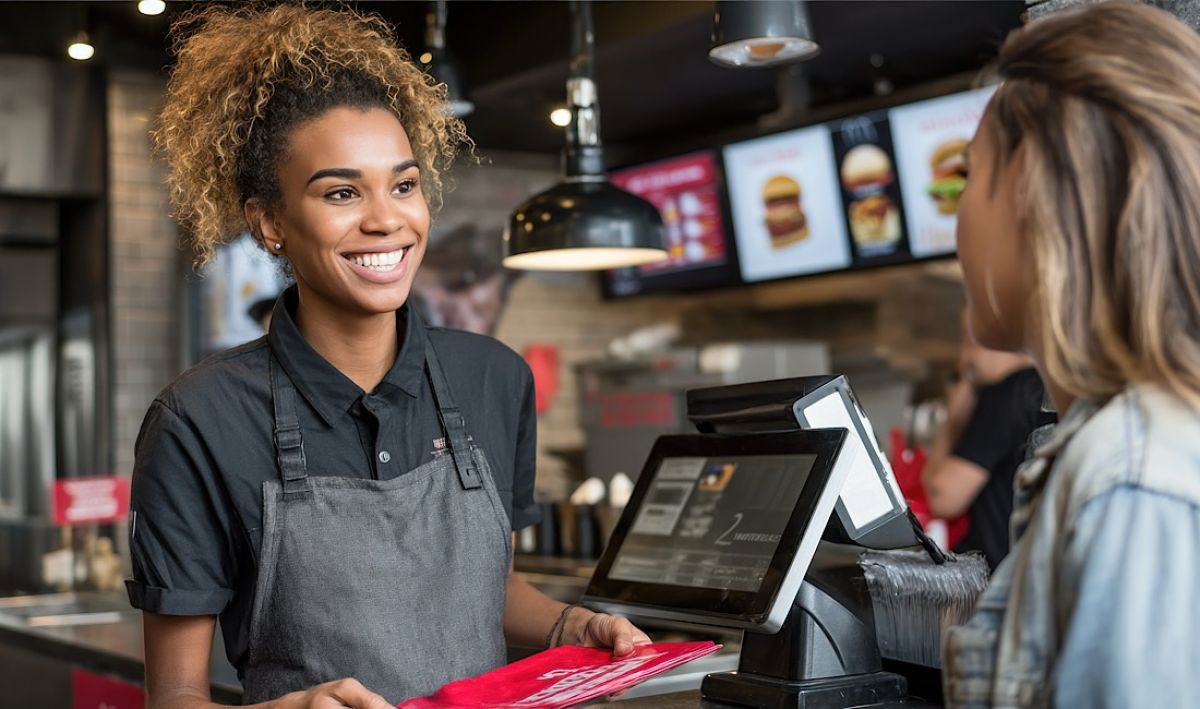
Portland’s quick service restaurant scene is competitive, values-driven, and fast-moving. Guests expect quality, speed, and consistency, often all at once. For QSR owners, the challenge is delivering that experience while protecting margins in an environment with rising labor costs and demanding customers.
Optimizing a QSR in Portland is not about working harder or cutting corners. It’s about building operational efficiency into every system so speed and profitability reinforce each other instead of competing. This guide breaks down practical, real-world strategies to help QSR owners streamline operations, improve throughput, and strengthen profits.
Why Speed Is a Profit Driver in Portland QSRs
In quick service restaurants, speed is not just a guest expectation; it is a financial lever. Faster service increases throughput, improves labor efficiency, and reduces friction during peak periods.
In Portland, where many QSRs compete on quality and values rather than price alone, speed becomes a differentiator. When guests know they can get in and out reliably without sacrificing food quality, loyalty increases.
Operational efficiency allows speed to feel natural rather than rushed. The goal is flow, not pressure.
Designing Operations Around Throughput, Not Just Volume
Many QSR owners focus on total sales without examining how those sales move through the operation. Throughput is the true measure of efficiency: how smoothly orders flow from entry to completion.
Optimized QSR operations consider:
- Order points and bottlenecks
- Prep station balance
- Expo and handoff clarity
- Guest movement through the space
When one station consistently slows the process, speed and morale suffer. Operational efficiency comes from designing systems that support peak demand without chaos.
Menu Simplification as a Speed Strategy
Menus that are too large or too complex slow down kitchens and confuse guests. In a QSR environment, simplicity supports both speed and profitability.
Streamlined menus reduce prep time, training complexity, and waste. They also make it easier for guests to order quickly and confidently.
Menu optimization should focus on items that:
- Share ingredients and prep processes
- Deliver strong margins
- Execute consistently under pressure
In Portland’s QSR market, clarity often wins over excess choice.
Labor Efficiency Without Sacrificing Guest Experience
Labor is one of the most significant controllable costs for a quick service restaurant. Optimizing labor does not mean understaffing; it means aligning people with demand.
Efficient QSRs schedule based on real traffic patterns rather than habit. Roles are clearly defined, and cross-training allows teams to flex during rushes.
Strong labor systems improve speed because employees know exactly where they should be and what success looks like during every part of the day.
Technology That Actually Improves Operational Efficiency
Technology can either streamline operations or create friction. The difference is intentional implementation.
For QSR Portland operators, technology should reduce steps, not add them. POS systems, online ordering, and kitchen display systems must support speed and clarity.
The most effective tech choices:
- Reduce order errors
- Improve communication between front and back of house
- Provide actionable data on timing and volume
Technology should support systems, not replace them.
One Operational Area That Delivers Immediate Speed Gains
Before moving into engagement and FAQs, there is one area where QSRs often see immediate improvement:
- Prep and par-level discipline
When prep is inconsistent, speed breaks down quickly. Clear prep lists, realistic par levels, and accountability eliminate last-minute scrambling and slowdowns.
Operational efficiency starts before the first order of the day is placed.
FAQs QSR Owners in Portland Commonly Ask
How fast should service be in a QSR?
Speed benchmarks vary by concept, but consistency matters more than raw seconds. Guests value reliability and clarity.
Can improving speed really increase profitability?
Yes. Faster throughput improves labor efficiency and increases the number of orders served during peak periods.
Is menu simplification risky for guest satisfaction?
Not when done strategically. Guests often prefer fewer options executed well over large, inconsistent menus.
Should QSRs prioritize speed over hospitality?
No. The goal is efficient hospitality. Speed and friendliness should reinforce each other.
Common Mistakes QSRs Make When Chasing Speed
Many QSRs attempt to move faster without fixing underlying systems. This often creates stress instead of efficiency.
Common mistakes include:
- Adding labor instead of fixing bottlenecks
- Overcomplicating menus during growth
- Relying on staff heroics instead of systems
- Implementing technology without training
- Ignoring prep discipline and inventory flow
Speed without structure leads to burnout and inconsistency.
Key Takeaways for Optimizing QSRs in Portland
- Speed is a strategic profit driver, not just a service goal
- Operational efficiency supports both margins and guest experience
- Menu clarity improves execution and throughput
- Labor systems should match real demand patterns
- Prep discipline creates stability during peak hours
Ready to Improve Speed and Profit in Your Portland QSR?
Optimizing a quick service restaurant requires practical systems that work during real-world rushes, not just on spreadsheets. With the right operational structure, speed and profitability can grow together.
The Gilkey Restaurant Group provides restaurant consulting services in Portland and other major cities, helping QSR owners improve operational efficiency, streamline systems, and build profitable growth strategies.
If you want your QSR in Portland to run faster, smoother, and more profitably, call The Gilkey Restaurant Group at 425-281-0581 to discuss your next steps.